

Nota de traducción automática: Este artículo ha sido traducido temporalmente para facilitar la navegación.
In Amazon FBA wholesale, securing profitable deals depends on finding the right suppliers, talking them into working with you, and opening a wholesale account. This can be quite challenging for Amazon sellers, as many suppliers may be reluctant to work with you.
La negociación es una habilidad clave que puede afectar significativamente si el proveedor acepta trabajar con usted y bajo qué términos.
In this post, we will help you prepare to negotiate with Amazon FBA wholesale suppliers like a pro and provide some tips and tricks to achieve favorable terms and build strong supplier relationships.
Related: Amazon Wholesale: All You Need To Know
How to Find Amazon FBA Wholesale Suppliers
Amazon Wholesale: How to Sell Wholesale on Amazon
How Negotiating with Amazon Wholesale Suppliers Work?
The wholesale business model involves purchasing products in large quantities at a lower price from brands or distributors, and then reselling them to Amazon customers at a profit. The profit margin is the difference between the wholesale and retail prices.
As a wholesaler, your primary task is to identify brands or distributors who can offer competitive prices for popular products. This can be challenging, as many sought-after brands have rigid distribution networks. However, your negotiation efforts can lead to substantial profits once you establish these connections.
Steps to engaging with Amazon wholesale suppliers
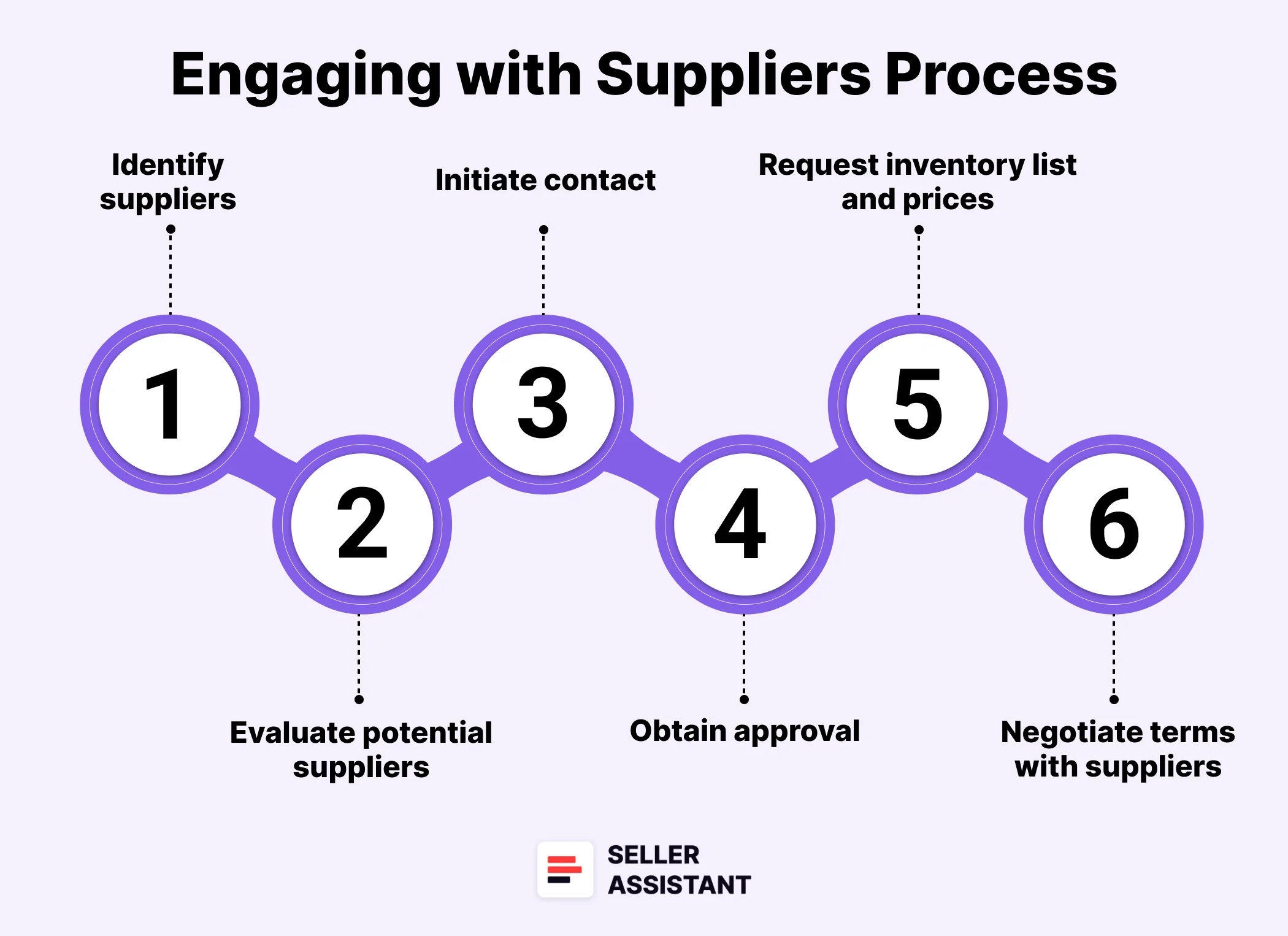
_ Pasos para interactuar con proveedores mayoristas de Amazon _
Related: How to Buy and Sell Amazon Return Pallets
Amazon Wholesale: How to Sell Wholesale on Amazon
How To Negotiate Prices With Amazon FBA Wholesale Suppliers
Step 1. Identify potential suppliers
Research and identify best Amazon wholesale suppliers who provide products within your chosen niche. Suppliers may be brands or distributors. Choose a brand and do brand research with Brand Analyzer by Seller Assistant to identify if a brand is profitable. Brand Analyzer automates brand research and helps efficiently identify if the brand meets your revenue targets and other selling criteria and whether it’s worth reselling on Amazon.
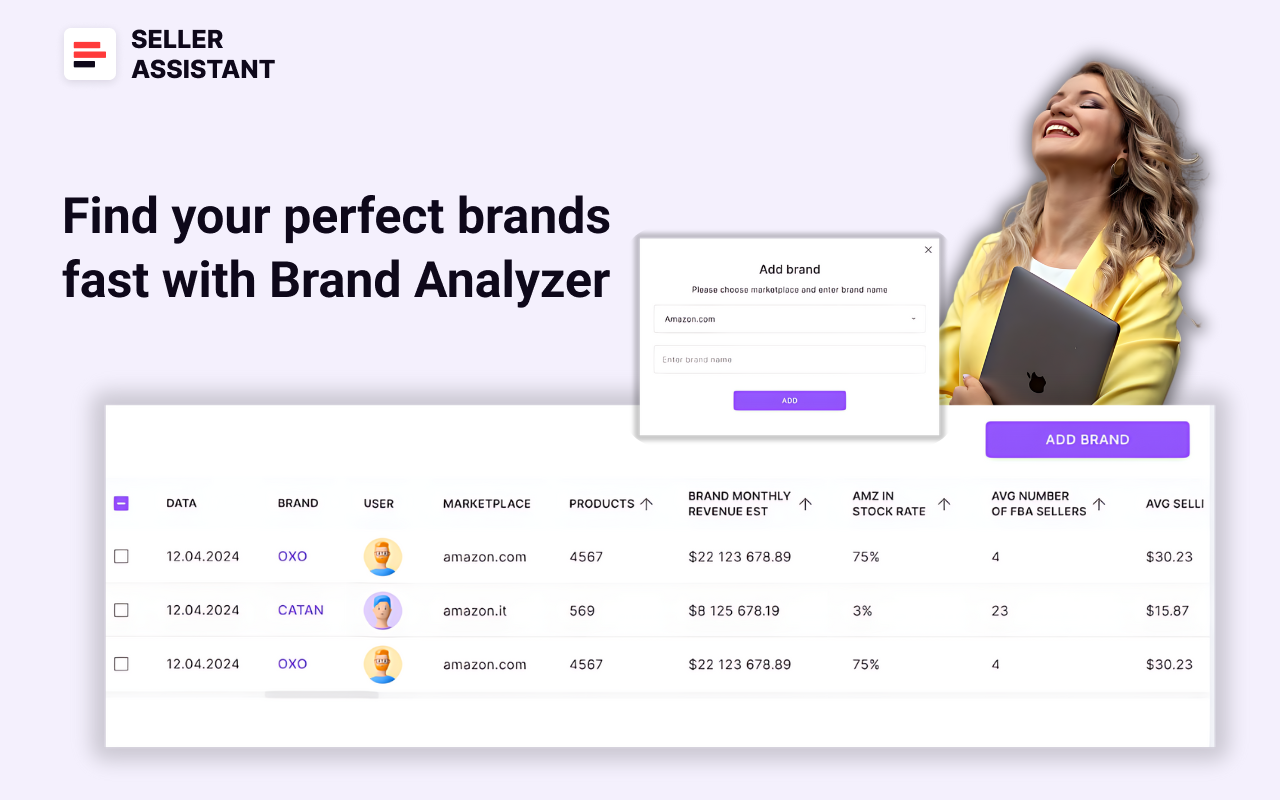
Analizador de Marca
Brand Analyzer allows to estimate how big the brand is and how many products it offers, how much money you can potentially make if you sell this brand, how intense is the competition from Amazon and other sellers, average Buy Box price per product, and review and rating quality. To analyze a brand, type in the brand name you want to research. Once the analysis is complete, review the data.
Note. Seller Assistant is a comprehensive product-sourcing software that helps Amazon sellers quickly find high-profit deals. It combines three extensions: Seller Assistant Browser Extension, and IP-Alert Chrome Extension by Seller Assistant, and VPN by Seller Assistant, Amazon seller tools: Price List Analyzer, Brand Analyzer, Seller Spy, Bulk Restrictions Checker, and API integrations, and features: Storefront Widget, Side Panel View, FBM&FBA Profit Calculator, Quick View, ASIN Grabber, UPC/EAN to ASIN converter, Stock Checker, IP Alert, and Restrictions Checker.
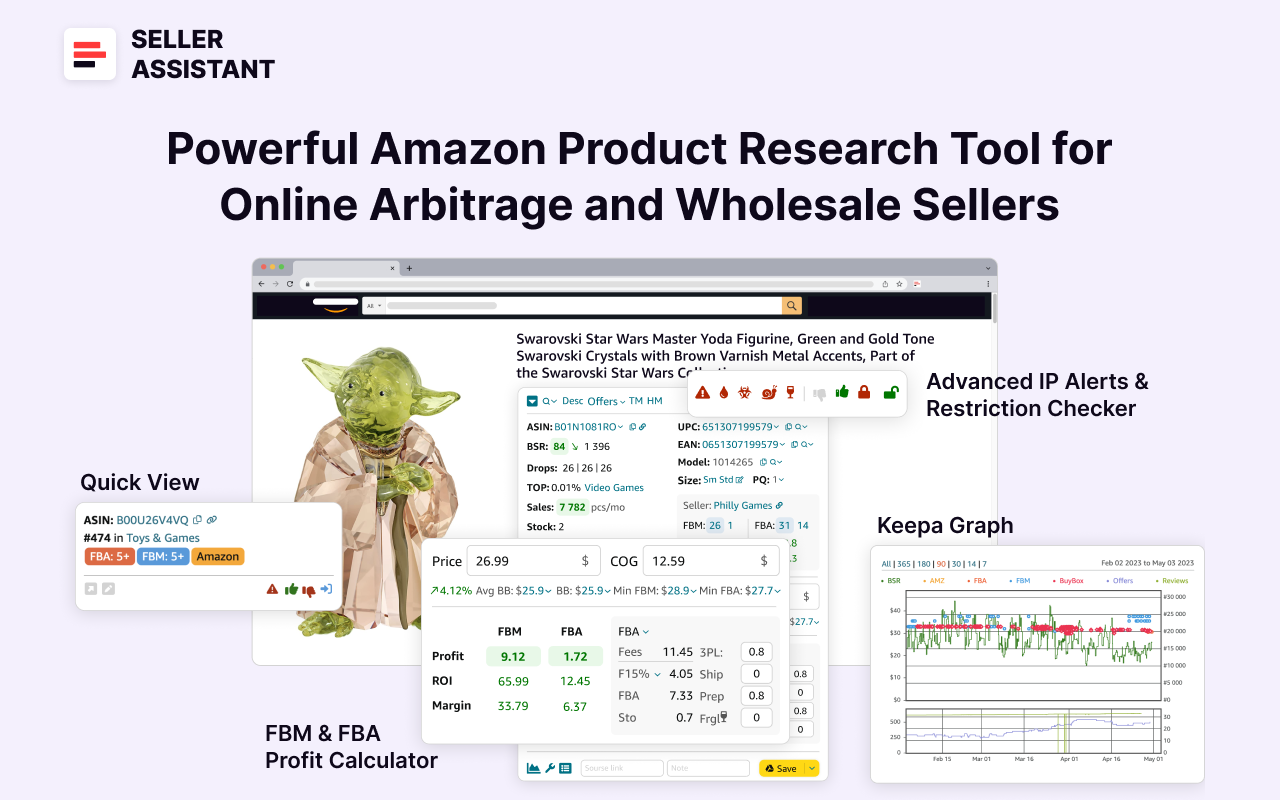
Asistente de vendedor
Step 2. Evaluate potential suppliers
Prioritize suppliers with a strong reputation. Conduct thorough checks on potential suppliers to ensure reliability and product quality. Review their feedback, request references, and verify their business credentials to mitigate future risks.
Step 3. Initiate contact with suppliers
Comuníquese con proveedores seleccionados por teléfono, correo electrónico o su sitio web.Preséntese usted y su negocio, expresando su interés en establecer una cuenta mayorista.
Step 4. Submit a wholesale account application
Complete and submit the supplier’s application form, typically found on their website. Provide necessary business information, such as your reseller’s permit, business license, and contact details. Briefly explain your business and your needs.
Step 5. Obtain approval and open a wholesale account
Una vez aprobado, puede configurar una cuenta mayorista con el proveedor, lo que le otorgará acceso a precios mayoristas.
Step 6. Request inventory list and prices
Ask for an inventory list from your supplier, detailing product specifications and wholesale prices. This list is crucial for determining which products will be in demand and profitable on Amazon.
Step 7. Conduct product research
Utilize Seller Assistant’s Price List Analyzer to streamline product research. This tool automates research of supplier price lists and helps identify the most profitable deals to sell on Amazon. It automatically matches your supplier products to Amazon, calculates profitability for each product, and shows other essential metrics. You can filter the results by any metric you need, and see which deals are profitable, and which have hidden risks or alerts.
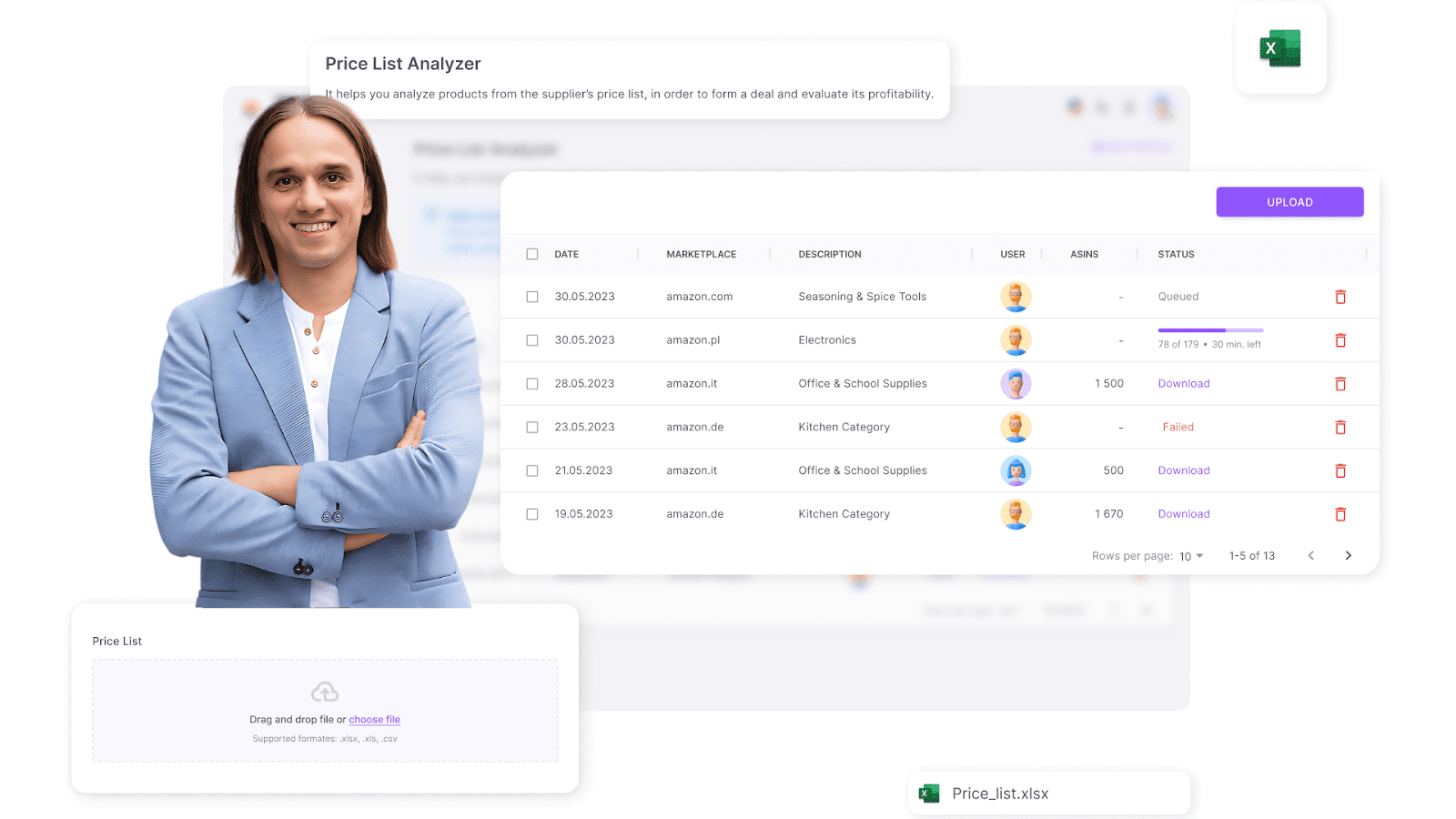
Analizador de lista de precios
Then, confirm if you can sell the products on Amazon with the Bulk Restrictions Checker. Upload the product list to Bulk Restrictions Checker and download a report with the checkup results. If you can sell a product on Amazon, it will be marked with the green open lock. If a product or brand is restricted, it will be marked with the red closed lock. If you can’t sell it on your Amazon seller account, it will be marked with the red closed lock with an exclamation mark.
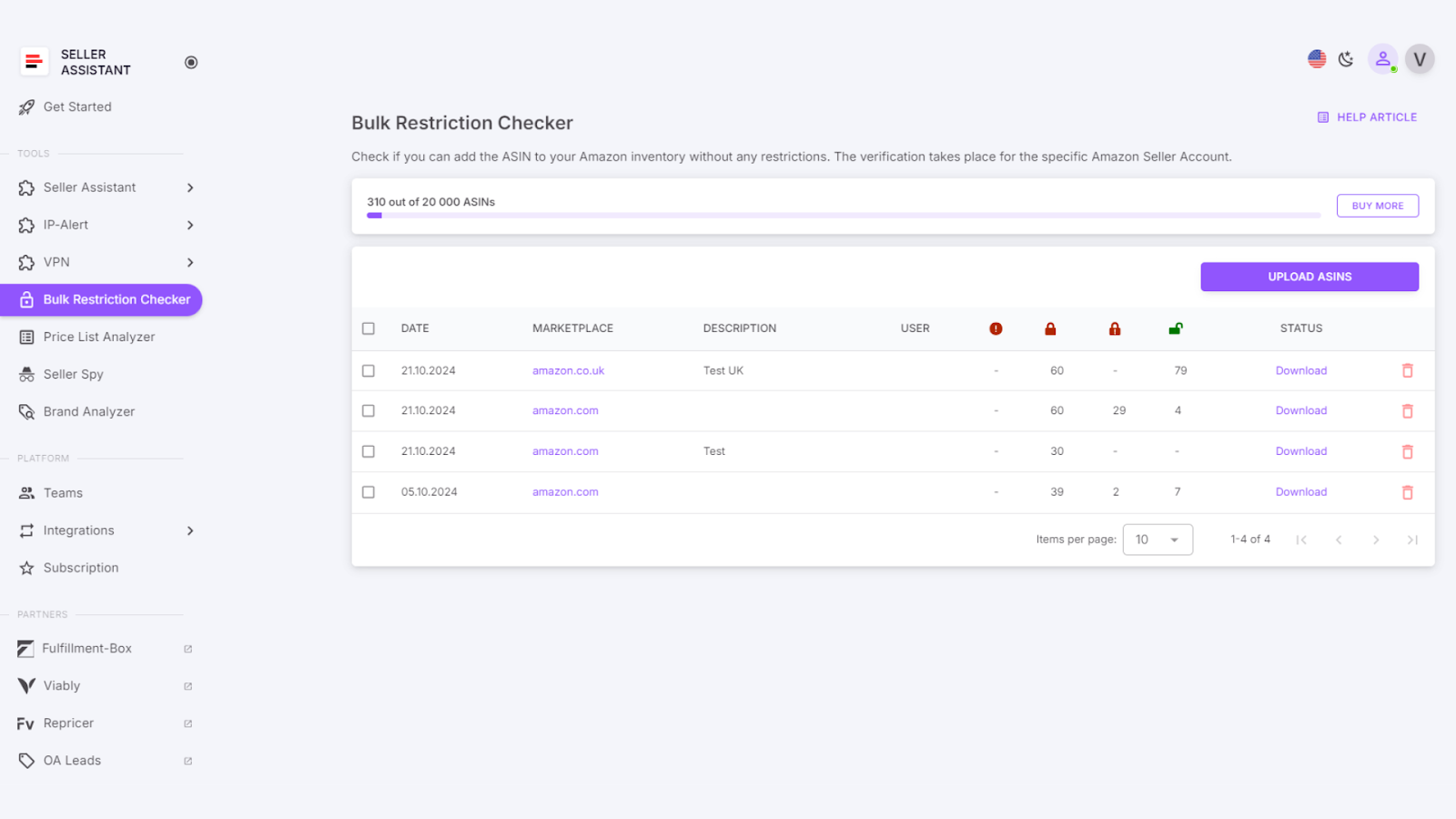
Comprobador de restricciones masivas
Related: 12 Ways to Find Wholesale Suppliers for Amazon FBA
How to Find Amazon FBA Wholesale Suppliers
How to Buy Wholesale to Sell on Amazon?
Step 8. Negotiate terms with suppliers
Engage in negotiations to secure the best possible prices for the products you selected with Seller Assistant. Aim for terms that are beneficial for both parties, fostering long-term relationships. Order larger quantities to receive bigger discounts and commit to recurring orders for greater savings. Consistent orders can lead to ongoing discounts.
Things to Remember Before Negotiating with Wholesale Suppliers
Negotiation with wholesalers differs from buying products with online or retail arbitrage. Below you can find several things that can be useful to know before you engage in negotiation.
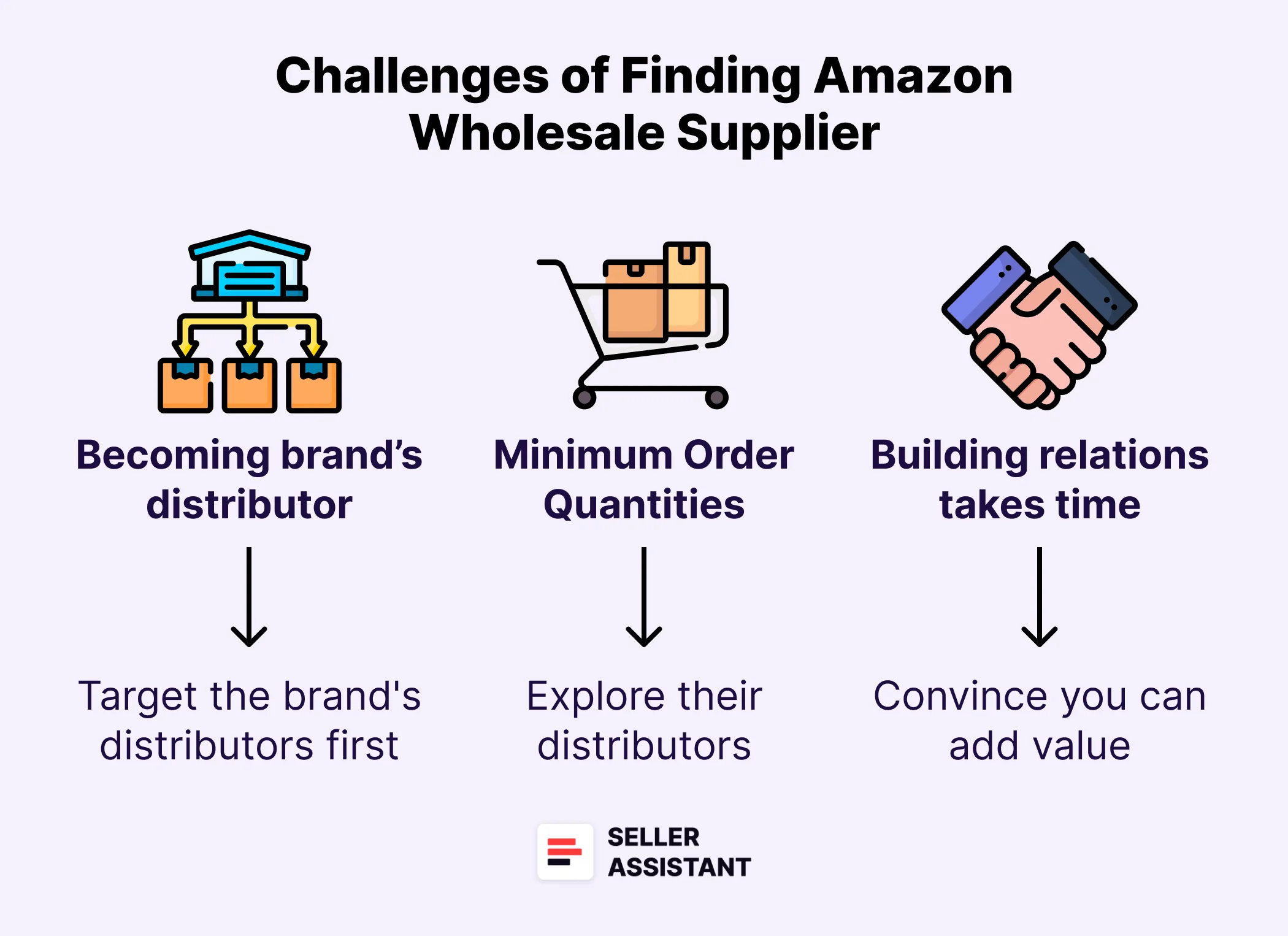
_ Cosas para recordar antes de negociar con proveedores mayoristas _
Related: How to Choose Wholesale Products to Sell on Amazon?
Online Arbitrage vs Wholesale on Amazon. What is the difference?
How to Master Wholesale Distribution for Amazon
Opening a supplier can be a challenge
Para obtener los mejores precios, debes comprar directamente a la marca o fabricante.Sin embargo, las marcas populares a menudo han establecido redes de distribución de ventas y pueden dudar en agregar nuevos distribuidores.Como vendedor mayorista, debes convencer a las marcas para que te incluyan como canal de distribución adicional.
Tip. If you are not prepared to invest big money upfront, contact brand’s distributors and buy from them. Typically, their contacts are available on the brand’s website. Otherwise, you can contact the brand and ask for the list of their distributors.
Wholesalers may be reluctant to cooperate with Amazon sellers
Los proveedores pueden preferir vendedores que comercien a través de múltiples canales además de Amazon, incluidas sus propias tiendas en línea, otras plataformas de comercio electrónico o tiendas físicas.
Esto se debe a que buscan aumentar sus ventas y no el número de vendedores en Amazon, lo que, en su opinión, solo aumentará la competencia, no las cantidades, y simplemente agregará papeleo al firmar acuerdos y enviar facturas de un lado a otro.
Tip. When you contact a supplier, stress that you are an online retailer rather than an Amazon seller. Create your own website and quote it on the application.
Related: Amazon FBA for Beginners
Minimum Order Quantity (MOQ)
Las grandes marcas y distribuidores suelen tener cantidades mínimas de pedido (MOQ) elevadas, que es la cantidad mínima de productos que debe comprar para completar un pedido.Esté preparado para invertir una cantidad sustancial de dinero por adelantado, ya que el MOQ puede ser bastante alto según la marca y puede ascender a decenas o incluso cientos de miles de dólares.
Tip. If you can’t meet the brand’s MOQ, contact the brand’s distributors that have lower entry barriers and not as high MOQ levels as the brand itself. Another option is to contact local brands who typically have lower MOQs.
Building supplier confidence takes time
Establishing a strong relationship with a supplier is a process that develops over time. Use your negotiation skills to demonstrate that you are the best candidate to grow their sales. Showcase your Amazon sales experience and your ability to buy large volumes. As your cooperation strengthens, you can negotiate for better discounts and terms.
Tip. The best potential suppliers often deny your first request to open an account with them. Therefore, it is critical to convince a brand that you will add value to their business and grow their sales.
Related: 12 Ways to Find Wholesale Suppliers for Amazon FBA
How to Find Products to Sell on Amazon?
How to Prepare for Negotiation with Wholesale Supplier?
La preparación es clave para una negociación exitosa con los proveedores mayoristas de Amazon.Recuerda que la primera impresión sobre ti es importante.Normalmente, hacer un esfuerzo adicional e investigar quién es su proveedor y su perfil comercial le ayudará a lograr mejores resultados.
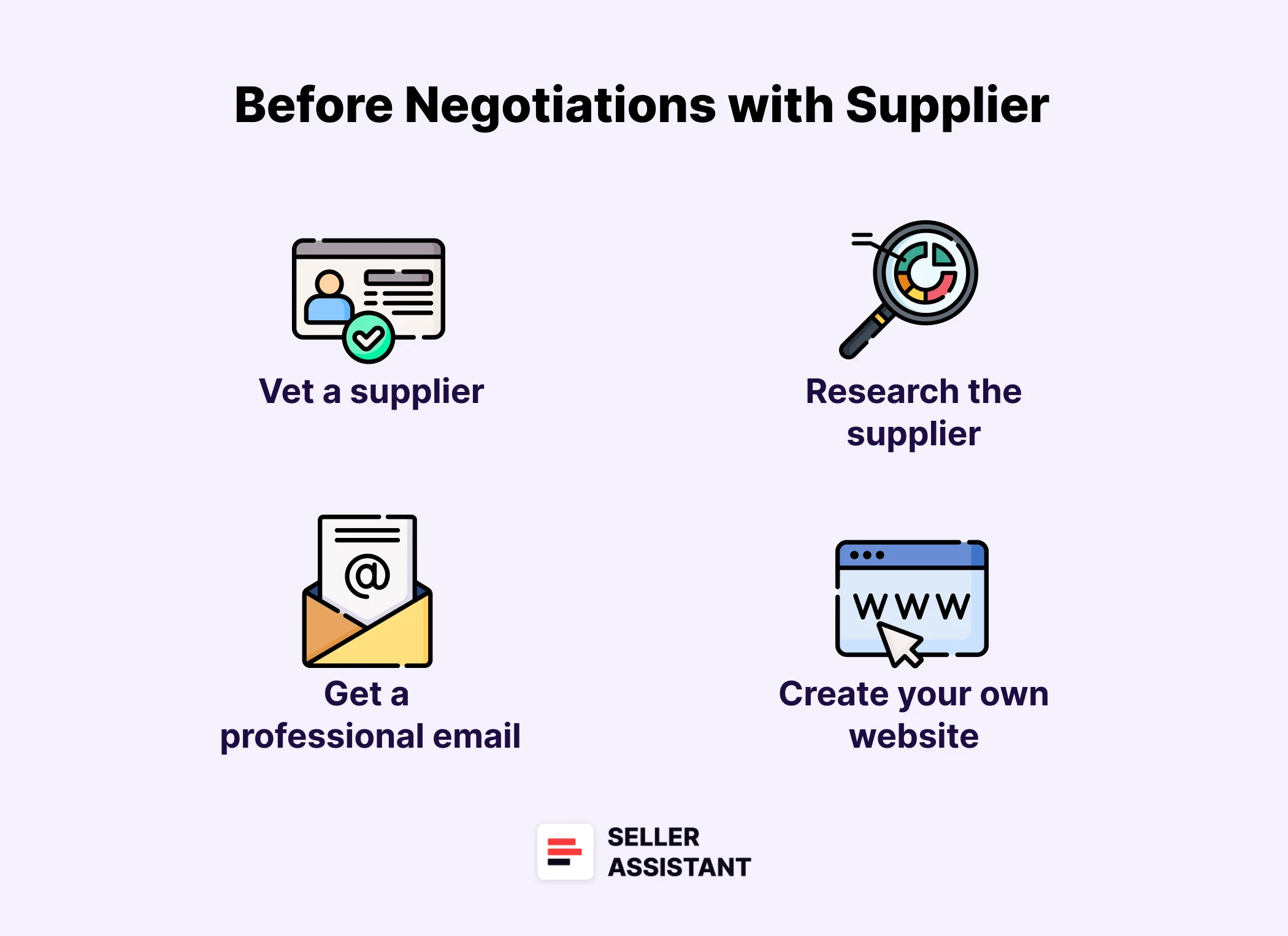
¿Cómo prepararse para la negociación con un proveedor mayorista?
Related: Selling on Amazon: How to Make Money?
How to Sell on Amazon for Beginners - Complete Guide
Vet a supplier
Make sure that the supplier is reliable and credible. Verify their company registration number, and ascertain they have a verifiable physical address and warehouse. Check the supplier on LinkedIn, Whois, and ScamAdviser. Make sure they have active social media and read their reviews. Proving the wholesaler’s legitimacy is crucial because you will invest essential money in this business.
Research the supplier
Before negotiating, research the supplier’s business and product offerings. Read the ‘About Us’ section on the supplier’s website and ensure they are a wholesale reseller, not a retailer. Look what brands they sell and make sure they carry the brands you want to source. Learn about their terms and conditions of sale. This information will help you understand their business and what they are willing to offer.
Get a professional email
Tener una dirección de correo electrónico profesional es fundamental a la hora de contactar con posibles proveedores mayoristas.Utilice una dirección de correo electrónico basada en un dominio (por ejemplo, [email protected]) en lugar de una genérica como Gmail o Yahoo.Esto añade credibilidad a su negocio y muestra a los proveedores que usted es serio y profesional.
Create your own website
Un sitio web profesional sirve como escaparate digital para su negocio y confirma su credibilidad.Tener un sitio web dedicado ayuda a negociar con los proveedores que no están dispuestos a cooperar con los vendedores de Amazon.
It provides potential suppliers with an overview of who you are, what you sell, and how you operate. Ensure your website includes essential information such as your business history, product offerings, and contact details.
Related: Seller Assistant Extension Review
The Best Amazon Online Arbitrage Tool — Seller Assistant
How to Write a Wholesale Account Application?
Cuando elige un proveedor, debe contactarlo y enviarle una solicitud de cuenta mayorista.Puede hacerlo por correo electrónico o completando un formulario en su sitio web.Debido a que este documento es una primera impresión sobre usted, debe redactarse de manera profesional y sin errores ortográficos.Aquí se explica cómo escribirlo.
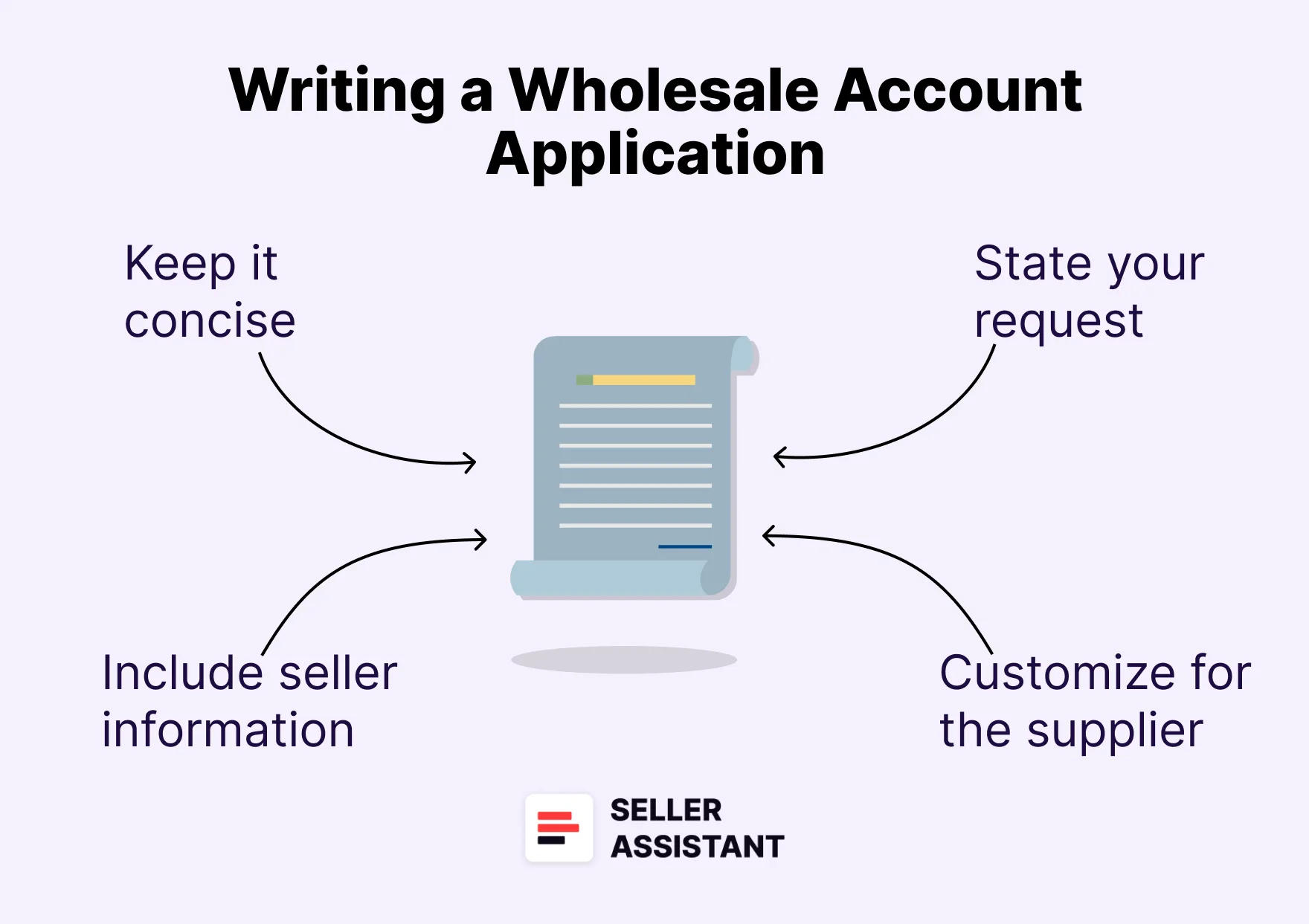
¿Cómo redactar una solicitud de cuenta mayorista?
Related: How to Dropship on Amazon with Seller Assistant
Amazon Wholesale: How to Sell Wholesale on Amazon
Keep it concise
Su solicitud de cuenta mayorista debe ser breve y concisa.Evite descripciones extensas y concéntrese en brindar información esencial de manera clara y eficiente.Es más probable que los proveedores ocupados lean y consideren una solicitud concisa.
Include essential seller information
Provide all necessary details about your business, such as your business name, contact information, reseller’s permit, and business license. This information helps the supplier verify your legitimacy and understand who they are dealing with. If you have a website, add it to the application.
Clearly state your request
Mencione explícitamente lo que desea del proveedor, como abrir una cuenta mayorista, acceder a su catálogo de productos y discutir los precios.Ser claro acerca de sus necesidades ayuda al proveedor a comprender rápidamente sus intenciones y responder de manera adecuada.
Customize for the specific supplier
Adapte cada aplicación al proveedor específico con el que se está comunicando.Mencione por qué eligió los productos o marcas que revenden y cómo se alinean con su negocio.Personalizar su solicitud demuestra que ha investigado y que está realmente interesado en una asociación, lo que puede mejorar significativamente sus posibilidades de aprobación.
7 Strategies to Negotiate with Wholesale Amazon Suppliers
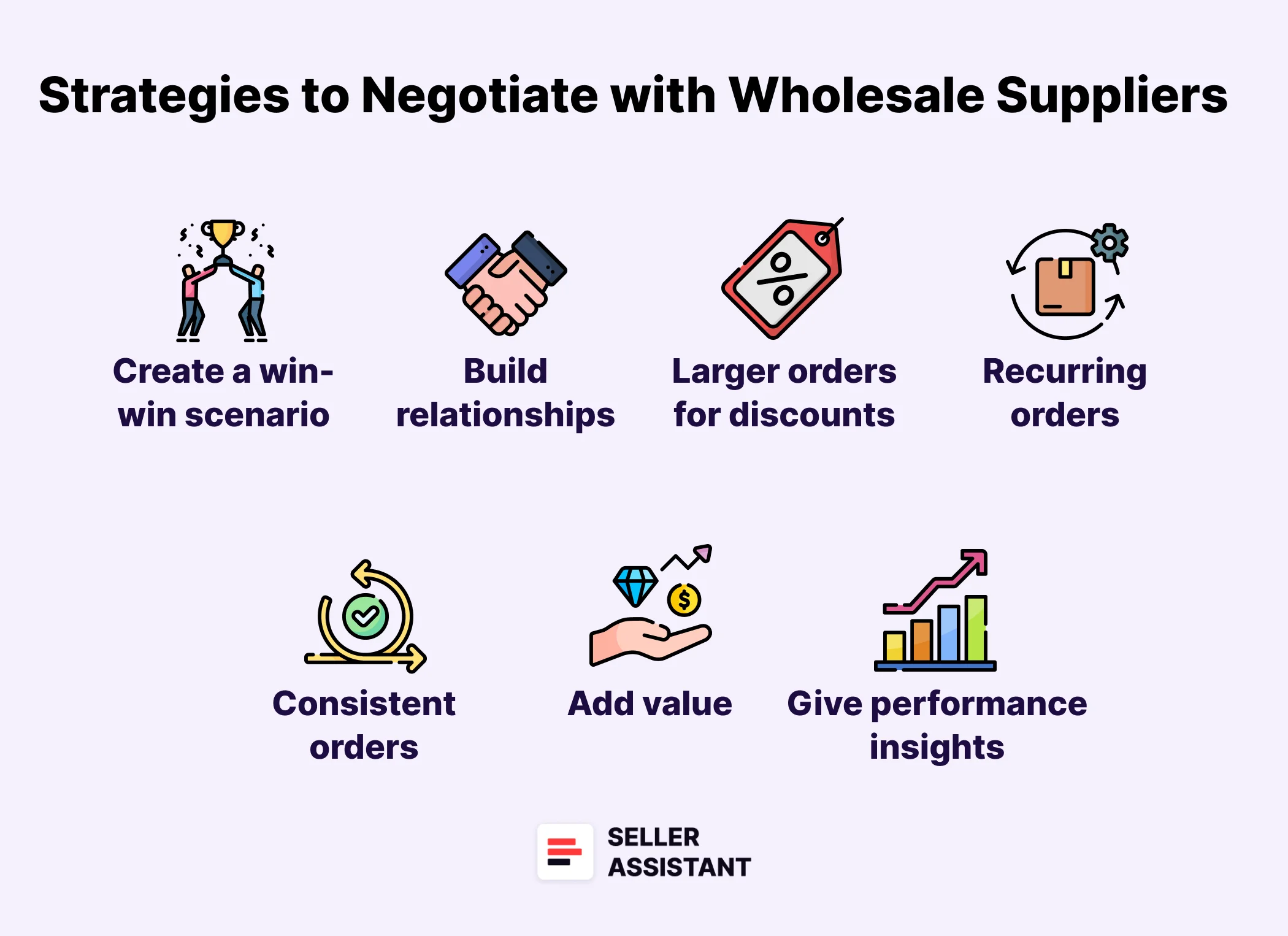
7 Estrategias para Negociar con Proveedores Mayoristas de Amazon
Related: Do You Need an LLC to Sell on Amazon?
How to Contact Amazon Seller Central Support
Cuando el proveedor aprueba su solicitud de cuenta mayorista, el siguiente paso es negociar los términos y precios.En este proceso, puede resultar útil decidir una estrategia de negociación antes de iniciar las discusiones.A continuación puede encontrar 7 ejemplos de este tipo de estrategias.
Strategy 1. Create a win-win scenario
Apunte a una negociación que beneficie a ambas partes.Enfatice cómo la asociación puede ser mutuamente beneficiosa, centrándose en objetivos compartidos y colaboración a largo plazo en lugar de ganancias a corto plazo.
Strategy 2. Build relationships over time
Approach negotiations as an ongoing process. Building rapport and trust over multiple interactions can lead to better deals and a stronger business relationship. Patience and persistence can pay off.
Strategy 3. Leverage larger orders for discounts
Aproveche el tamaño de sus pedidos para asegurar mejores precios.Los proveedores suelen estar dispuestos a ofrecer descuentos para compras más grandes, lo que puede reducir significativamente el costo unitario.
Strategy 4. Secure savings with recurring orders
Comprométete a realizar pedidos regulares y recurrentes para negociar precios más bajos.Los proveedores valoran los negocios estables y pueden ofrecer descuentos para garantizar ventas continuas.
Strategy 5. Maintain consistent orders for better terms
Demuestre coherencia en sus patrones de pedidos.Los clientes confiables son muy valorados y mantener un flujo de pedidos constante puede ayudarlo a negociar términos y descuentos más favorables.
Strategy 6. Add value to your supplier’s business
Show your supplier how you can add value to their business. Whether through growing their sales and diversifying their sales channels, or expanding their reach, offering additional benefits can make your partnership more appealing.
Strategy 7. Provide performance insights on Amazon
Proporcionar a los proveedores información sobre el rendimiento de sus productos en Amazon.Compartir datos de ventas y sus ideas para mejorar el rendimiento del producto puede ayudarles a ver el valor de trabajar estrechamente con usted y puede conducir a mejores resultados de la negociación.
Related: What Products to Avoid Selling on Amazon?
How to Check Amazon IP Complaints
The Most Important Amazon Seller Metrics for FBA Businesses
Tips to Negotiate with Wholesale Suppliers for Amazon
Cuando negocia con el mayorista, su objetivo es obtener el mejor precio y condiciones comerciales posibles, maximizando sus ganancias.A continuación, le daremos algunos consejos que le ayudarán a obtener las mejores ofertas de proveedores.
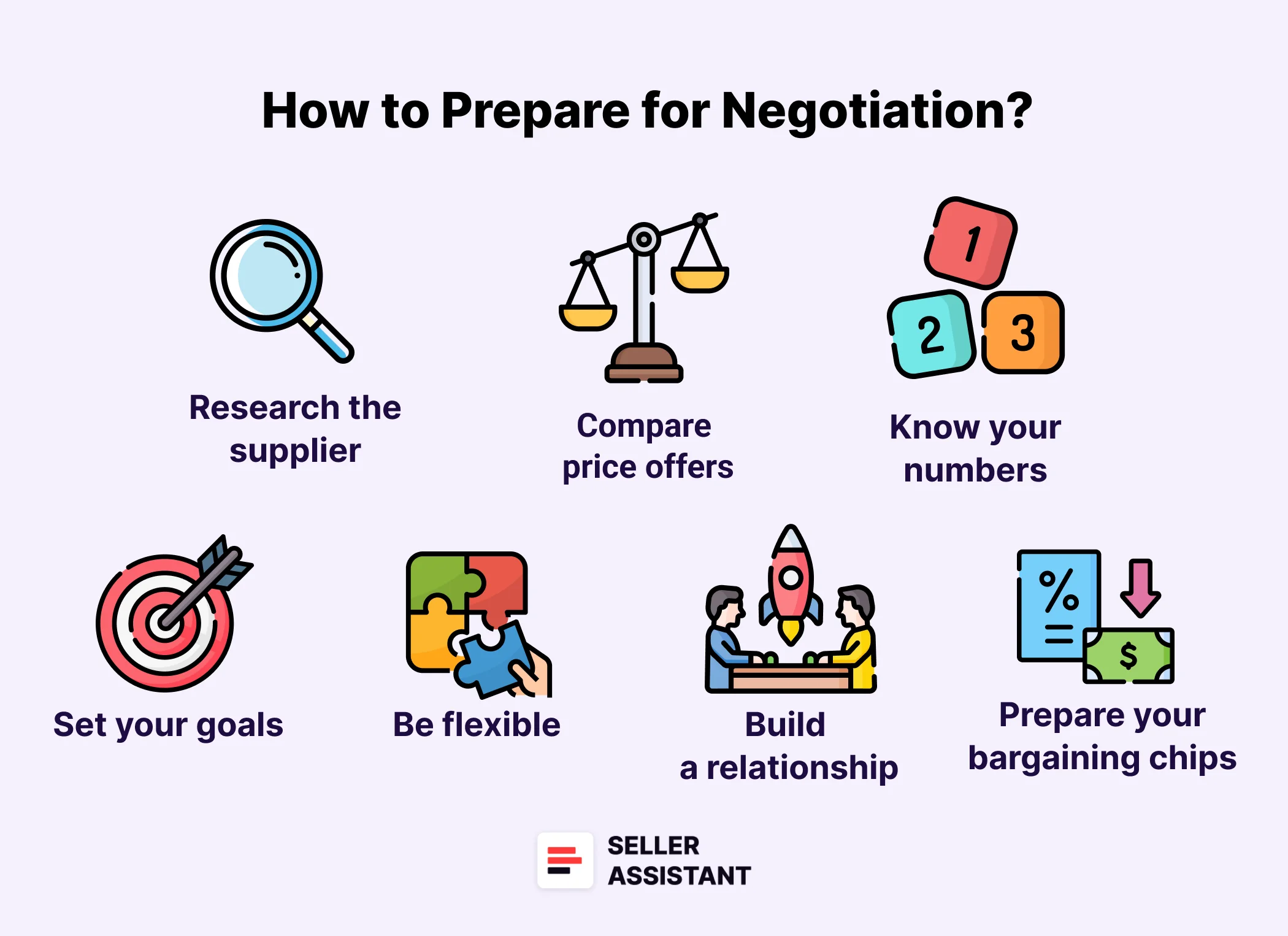
Consejos para negociar con proveedores mayoristas de Amazon
Related: Amazon Account Health – A Guide for FBA Sellers
Amazon Account Health Assurance
What is Amazon Seller Account Health Rating?
How To Avoid Amazon Seller Account Suspension?
Know your numbers
Before you start negotiating with suppliers, make sure you know your numbers. Calculate your profit margins, and set a target price that you want to pay for the product. That will give you a clear idea of how much you can afford to pay for the product and how much you can negotiate. Determine at what volume you need the products. Knowing this information will help you negotiate a favorable price and terms of sale.
Use Seller Assistant’s Price List Analyzer to get the estimated number of units sold per month. This helps understand average product sales to plan how many units to order. Additionally, Price List Analyzer shows product Buy Box price and your profit, ROI, and margin for each product. That will give you a clear idea of how much you can afford to pay for the product and how much you can negotiate.
Related: Amazon’s Vine Program for Sellers: What Is It? And Is It Worth It?
Building Reputation for Amazon Store — Everything Sellers Need to Know
Set your goals
Describa los objetivos clave para la negociación.Determine lo que quiere lograr: un precio más bajo, mejores condiciones de pago o un mayor volumen de pedidos.Además, determine el punto de partida en el que la negociación ya no vale la pena.
Be flexible
Esté preparado para llegar a un acuerdo.Las negociaciones suelen tratar de encontrar un punto medio que beneficie a ambas partes.Esté dispuesto a ajustar sus objetivos y expectativas para llegar a un acuerdo mutuamente beneficioso.
Build a relationship
Establecer una relación con sus proveedores puede ayudarle a negociar mejores precios a largo plazo.Establezca una buena comunicación y trate a sus proveedores con respeto.Hágales saber que está interesado en hacer negocios con ellos a largo plazo y será más probable que le ofrezcan mejores precios y ofertas.
Prepare your bargaining chips
Identifique los factores que pueden darle poder de negociación.Eso puede incluir el volumen de su pedido, las condiciones de pago o su capacidad para promocionar los productos del proveedor en Amazon.
Related: What Is an ASIN?
How to Create an Amazon Seller Central Account
Preguntas frecuentes
¿Cómo encuentro proveedores wholesale para Amazon?
Puedes encontrar proveedores wholesale a través de ferias comerciales, directorios en línea, contacto directo con marcas y herramientas de sourcing como Seller Assistant. Verificar la legitimidad del proveedor y comparar precios es esencial antes de hacer pedidos.
¿Cuál es la diferencia entre un proveedor wholesale y un distribuidor?
Los proveedores wholesale suelen ser fabricantes o distribuidores autorizados que venden productos al por mayor a precios reducidos. Los distribuidores son intermediarios que compran a fabricantes y revenden a minoristas o vendedores de Amazon.
¿Cuánto necesito invertir para empezar con wholesale en Amazon?
La inversión inicial varía, pero la mayoría de los vendedores wholesale empiezan con $2,000–$5,000 para sus primeras órdenes de compra. Esta cantidad cubre el inventario inicial y los costes de envío.
¿Cómo verifico que un proveedor wholesale es legítimo?
Verifica la información comercial del proveedor, solicita referencias, comprueba su presencia online y pide muestras antes de hacer pedidos grandes. Utiliza herramientas como Seller Assistant para analizar la rentabilidad de los productos del proveedor.
Final Thoughts
Negociar precios con proveedores mayoristas de Amazon Logística de Amazon es una habilidad fundamental que puede ayudarle a maximizar sus márgenes de beneficio.Si utiliza estrategias de negociación con prudencia, podrá encontrar un compromiso que funcione tanto para usted como para el proveedor.
Recuerde que construir una relación a largo plazo con sus proveedores es esencial, y tratarlos con respeto y honestidad puede ser de gran ayuda para asegurar mejores precios y acuerdos en el futuro.
In addition, when negotiating, you must know your profit margins and have a clear idea of how much you can afford to pay. Seller Assistant will help you with this task. This all-in-one product sourcing software incorporates all features vital for wholesale product research.
Seller Assistant is an all-in-one product sourcing software offering all the features vital for product sourcing. It combines three extensions: Seller Assistant Extension, IP Alert, and VPN by Seller Assistant, tools: Price List Analyzer, Brand Analyzer, Seller Spy, Bulk Restrictions Checker, and API integrations, and features: Storefront Widget, Side Panel View, FBM&FBA Profit Calculator, Quick View, ASIN Grabber, UPC/EAN to ASIN converter, Stock Checker, and other features that help quickly find high-profit deals. Seller Assistant also offers integration with Zapier allowing to create custom product sourcing workflows.
FAQ - Negotiating with Wholesalers